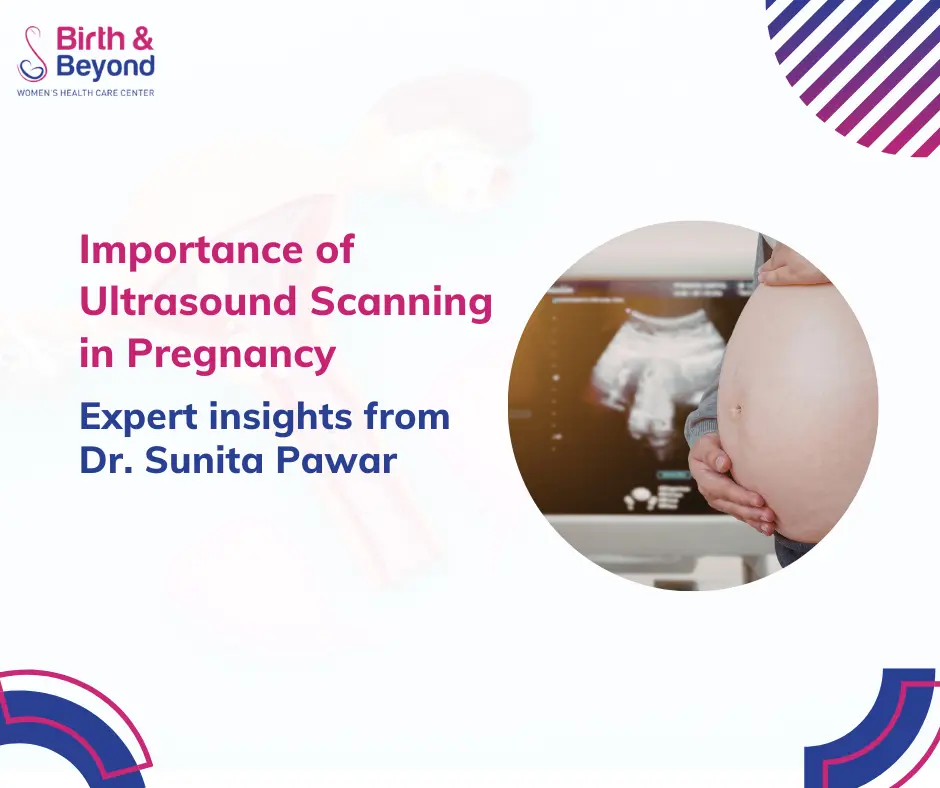
Pregnancy is a beautiful and life-changing journey filled with excitement, anticipation, and important medical milestones. One of the most essential parts of prenatal care is ultrasound scanning, which helps monitor the health and development of both the mother and baby throughout pregnancy. If you are looking for expert pregnancy care from the Top Gynecologists & Obstetrician in HSR Layout, understanding the importance of ultrasound scans can help you feel more confident and informed during every stage of pregnancy.
Ultrasound scanning is a safe, non-invasive imaging technique that uses sound waves to create real-time images of the baby inside the womb. These scans provide valuable information about the baby’s growth, heartbeat, movement, position, and overall development.
What Is an Ultrasound Scan?
An ultrasound scan, also known as sonography, is a diagnostic procedure commonly used during pregnancy to track fetal development and identify any potential concerns early. It does not involve radiation, making it completely safe for both the mother and baby when performed by qualified professionals.
Doctors recommend multiple ultrasound scans during pregnancy depending on the stage and medical requirements of the mother.
Why Are Ultrasound Scans Important During Pregnancy?
1. Confirms Pregnancy and Detects the Baby’s Heartbeat
One of the first ultrasound scans helps confirm pregnancy and detect the fetal heartbeat. This scan also helps determine whether the pregnancy is inside the uterus and checks for multiple pregnancies such as twins or triplets.
2. Estimates the Due Date
Ultrasound scans help calculate the expected delivery date by measuring the baby’s size and growth. Accurate dating is especially important during the early weeks of pregnancy.
3. Monitors Baby’s Growth and Development
Regular scans allow doctors to assess the baby’s physical development, including:
- Brain development
- Spine formation
- Limb growth
- Organ development
- Placenta position
This helps ensure the baby is growing normally throughout pregnancy.
4. Detects Congenital Abnormalities
Detailed anomaly scans performed during the second trimester help identify certain birth defects or developmental abnormalities early. Early diagnosis allows doctors and parents to plan the best possible care.
5. Checks Amniotic Fluid Levels
Ultrasound helps evaluate the amount of amniotic fluid surrounding the baby. Abnormal fluid levels may indicate potential complications that require monitoring or treatment.
6. Monitors Placenta Health
The placenta plays a vital role in supplying oxygen and nutrients to the baby. Ultrasound scans help assess the placenta’s position and functioning to ensure a healthy pregnancy.
7. Identifies Pregnancy Complications
Ultrasound scanning can help detect conditions such as:
- Ectopic pregnancy
- Placenta previa
- Fetal growth restriction
- Low amniotic fluid
- High-risk pregnancy concerns
Early detection can significantly improve pregnancy outcomes.
Common Ultrasound Scans During Pregnancy
Early Pregnancy Scan
Usually done between 6–9 weeks to confirm pregnancy and heartbeat.
NT Scan
Performed between 11–14 weeks to screen for chromosomal abnormalities.
Anomaly Scan
Done around 18–22 weeks to check the baby’s organs and physical development.
Growth Scan
Performed during the third trimester to monitor fetal growth, position, and overall well-being.
Is Ultrasound Safe During Pregnancy?
Yes, ultrasound scans are considered very safe when performed by trained medical professionals. Since they use sound waves instead of radiation, they do not harm the baby or mother.
However, scans should only be performed when medically necessary and under proper medical supervision.
How to Prepare for an Ultrasound Scan
Depending on the type of scan, your doctor may recommend:
- Drinking water before the scan for a full bladder
- Wearing comfortable clothing
- Carrying previous medical reports
Always follow your doctor’s instructions for the best imaging results.
Emotional Benefits of Ultrasound Scanning
Apart from medical importance, ultrasound scans also create emotional bonding moments for parents. Hearing the baby’s heartbeat and seeing movements for the first time can be an unforgettable experience during pregnancy.
Frequently Asked Questions (FAQs)
1. How many ultrasound scans are needed during pregnancy?
Most women undergo at least 3–4 important scans during pregnancy, though additional scans may be recommended for high-risk pregnancies.
2. Are ultrasound scans painful?
No, ultrasound scans are generally painless and non-invasive.
3. Can ultrasound detect all birth defects?
While many abnormalities can be identified, not all birth defects may be visible through ultrasound alone.
4. Is it safe to have multiple ultrasound scans?
Yes, medically advised ultrasound scans are considered safe throughout pregnancy.
5. When is the anomaly scan performed?
The anomaly scan is usually done between 18 and 22 weeks of pregnancy.
Conclusion
Ultrasound scanning plays a crucial role in ensuring a safe and healthy pregnancy journey. From monitoring fetal growth to detecting possible complications early, these scans provide valuable information that helps doctors offer the best prenatal care. Regular check-ups and timely scans can give parents peace of mind and support healthier outcomes for both mother and baby. If you are searching for the Top Gynecologists & Obstetrician in HSR Layout, choosing experienced specialists for pregnancy care and ultrasound monitoring can make a significant difference in your pregnancy experience.
Contact Details
Dr. Sunita Pawar
📍 HSR Layout, Bengaluru
📞 Phone: +91 91089 37262
🌐 Website: www.drsunitapawar.com