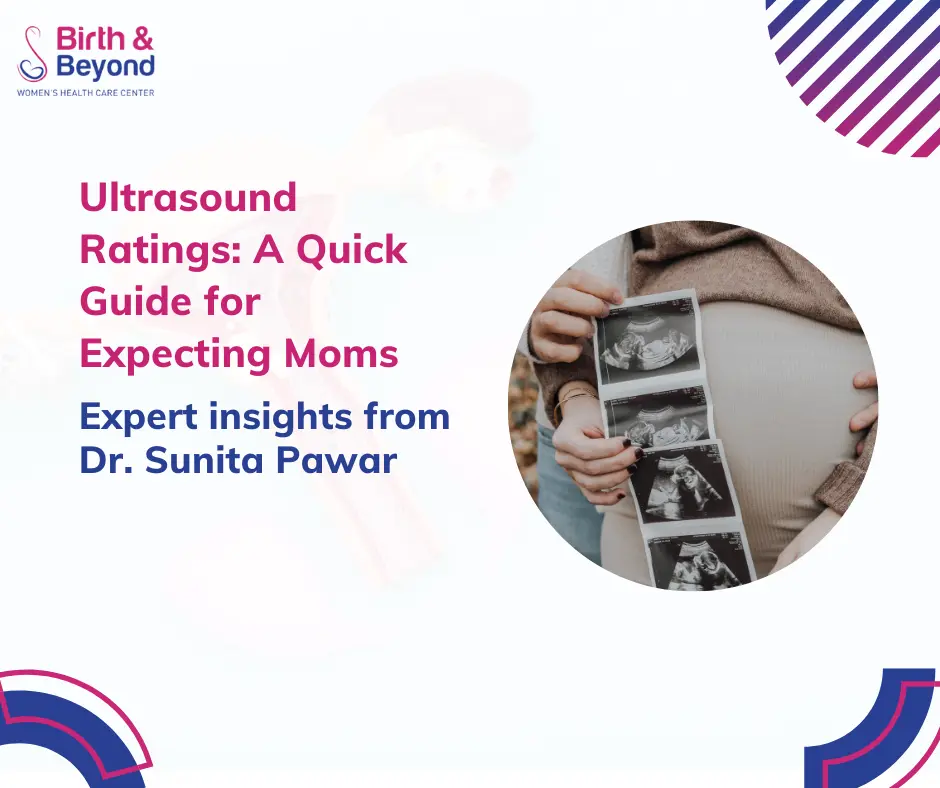
Pregnancy is filled with medical terms, scan reports, and numbers that can sometimes feel overwhelming for parents-to-be. One of the most common areas of confusion is understanding ultrasound ratings and measurements. These details help doctors monitor your baby’s growth, development, and overall health throughout pregnancy. Consulting an experienced Gynecologist & Obstetrician in HSR Layout can help expecting mothers better understand what these ultrasound findings actually mean.
Ultrasound scans are an important part of prenatal care, offering valuable insights into the baby’s growth and the mother’s health. Each scan includes measurements and observations that help doctors ensure the pregnancy is progressing normally.
What Are Ultrasound Ratings?
Ultrasound ratings refer to the various measurements and assessments recorded during a pregnancy scan. These measurements are compared with standard pregnancy growth charts to evaluate the baby’s development according to gestational age.
Doctors use these ratings to monitor:
- Baby’s growth
- Heartbeat
- Organ development
- Amniotic fluid levels
- Placenta health
- Baby’s position
Common Ultrasound Terms Every Mom Should Know
1. CRL (Crown-Rump Length)
This measurement is commonly used during early pregnancy to estimate the baby’s gestational age and due date.
2. FHR (Fetal Heart Rate)
FHR indicates the baby’s heartbeat. A normal fetal heart rate usually ranges between 110–160 beats per minute.
3. BPD (Biparietal Diameter)
This measures the width of the baby’s head and helps assess brain and skull growth.
4. HC (Head Circumference)
HC evaluates the size of the baby’s head to monitor proper brain development.
5. AC (Abdominal Circumference)
This measures the baby’s abdomen and helps estimate fetal growth and weight.
6. FL (Femur Length)
FL measures the length of the baby’s thigh bone and helps track skeletal development.
7. AFI (Amniotic Fluid Index)
AFI measures the amount of amniotic fluid around the baby. Proper fluid levels are essential for healthy fetal development.
8. Placenta Grade
The placenta is graded based on maturity and function during different stages of pregnancy.
Why Are These Ratings Important?
Ultrasound ratings help doctors:
- Monitor the baby’s growth pattern
- Detect developmental abnormalities early
- Identify pregnancy complications
- Ensure the placenta is functioning properly
- Assess overall fetal well-being
Timely scans and accurate interpretation are essential for safe pregnancy management.
Should You Worry About Minor Variations?
In most cases, small variations in measurements are completely normal. Every baby grows differently, and slight differences from standard ranges do not always indicate a problem.
Your doctor will consider:
- Overall growth trends
- Maternal health
- Pregnancy history
- Scan timing
Avoid self-diagnosing based on online information, as ultrasound reports should always be interpreted by qualified professionals.
Importance of Regular Pregnancy Scans
Routine ultrasound scans help track your pregnancy at every stage:
- First trimester scans confirm pregnancy and heartbeat
- Second trimester anomaly scans assess organ development
- Third trimester scans monitor growth and baby position
Regular monitoring helps ensure both mother and baby remain healthy throughout pregnancy.
Tips for Expecting Mothers Before an Ultrasound
- Stay hydrated before the scan if advised
- Wear comfortable clothing
- Carry previous reports
- Stay calm and ask questions if you do not understand the report
Clear communication with your doctor can make the pregnancy journey more reassuring and stress-free.
Frequently Asked Questions (FAQs)
1. What does AFI mean in pregnancy scans?
AFI stands for Amniotic Fluid Index, which measures the amount of fluid around the baby.
2. Is a variation in baby weight normal?
Yes, slight variations in fetal weight and measurements are common and often normal.
3. Can ultrasound scans detect all pregnancy complications?
Ultrasound scans can detect many conditions, but not every issue may be visible through imaging alone.
4. How often are ultrasound scans needed during pregnancy?
Most pregnancies require 3–4 major scans, though additional scans may be recommended if necessary.
5. Are ultrasound scans safe for the baby?
Yes, ultrasound scans are considered safe when performed under medical supervision.
Conclusion
Understanding ultrasound ratings can help expecting mothers feel more informed and confident during pregnancy. These measurements provide important information about the baby’s growth and overall health, allowing doctors to monitor the pregnancy closely and identify any concerns early. Consulting a trusted Gynecologist & Obstetrician in HSR Layout ensures you receive accurate guidance, proper prenatal care, and expert support throughout your pregnancy journey.
Contact Details
Dr. Sunita Pawar
📍 HSR Layout, Bengaluru
📞 Phone: +91 91089 37262
🌐 Website: www.drsunitapawar.com