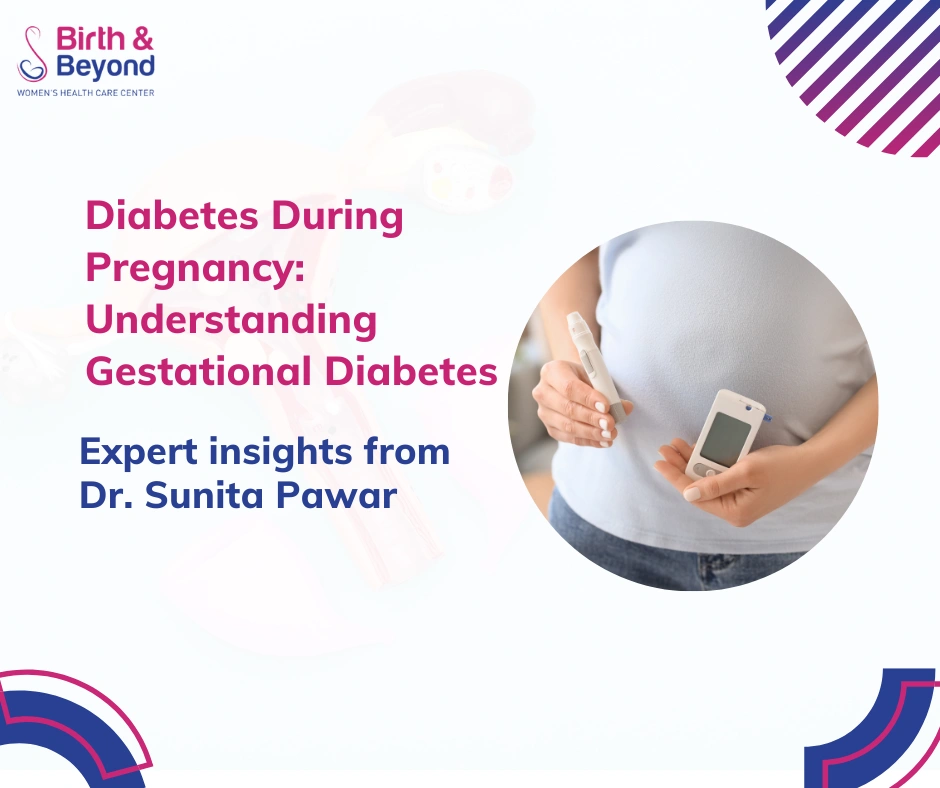
Gestational diabetes occurs when blood sugar levels become higher than normal during pregnancy. It may not always cause noticeable symptoms, making routine blood sugar screening important. Consulting a Gestational Diabetes Specialist in HSR Layout can help with early diagnosis, monitoring, and appropriate management during pregnancy.
In this video, Dr. Sunita explains what gestational diabetes is, its risk factors, how it is diagnosed, and how maintaining healthy blood sugar levels can support the health of both mother and baby. She also discusses Gestational Diabetes Treatment in HSR Layout and the importance of timely care.
Gestational diabetes develops during pregnancy in women who did not have diabetes before pregnancy. Pregnancy hormones can affect insulin function and cause blood sugar levels to rise.
Many women may not have clear symptoms, which is why regular pregnancy check-ups and recommended screening are important.
Management may include a balanced diet, appropriate physical activity, regular blood sugar monitoring, and medication or insulin when required.
Following your doctor’s recommendations and attending regular prenatal appointments can help keep blood sugar under control and reduce potential pregnancy complications.
Poorly controlled blood sugar can increase the risk of certain complications for both mother and baby. Regular monitoring helps doctors track the pregnancy and make treatment adjustments when necessary.
Gestational diabetes often improves after delivery, but women who experience it have a higher future risk of Type 2 diabetes. Follow-up blood sugar testing and healthy lifestyle habits are therefore important after pregnancy.
Conclusion
Gestational diabetes can be managed effectively with early diagnosis, regular monitoring, healthy lifestyle habits, and treatment when required. If you are concerned about blood sugar during pregnancy, a Gestational Diabetes Specialist in HSR Layout can provide appropriate guidance. Understanding available Gestational Diabetes Treatment in HSR Layout can also help you take the right steps for a healthier pregnancy.
FAQ’s
It is high blood sugar that develops during pregnancy in a woman who did not have diabetes before pregnancy.
It may not cause noticeable symptoms, which is why routine screening is important.
Yes. Healthy eating and appropriate physical activity can help manage blood sugar. Some women may also require medication or insulin.
Poorly controlled blood sugar can increase the risk of certain complications. Proper monitoring and treatment can help manage these risks.
It often improves after delivery, but follow-up testing is important because the future risk of Type 2 diabetes is higher.