
A D&C (Dilation and Curettage) is a commonly performed gynecological procedure used to remove tissue from inside the uterus for diagnosis or treatment. While it is generally a routine procedure, proper evaluation, medical supervision, and appropriate hospital care are important for patient safety and recovery. If you are considering a D&C Procedure in HSR Layout, consulting an experienced gynecologist can help you understand why the procedure is recommended and what to expect.
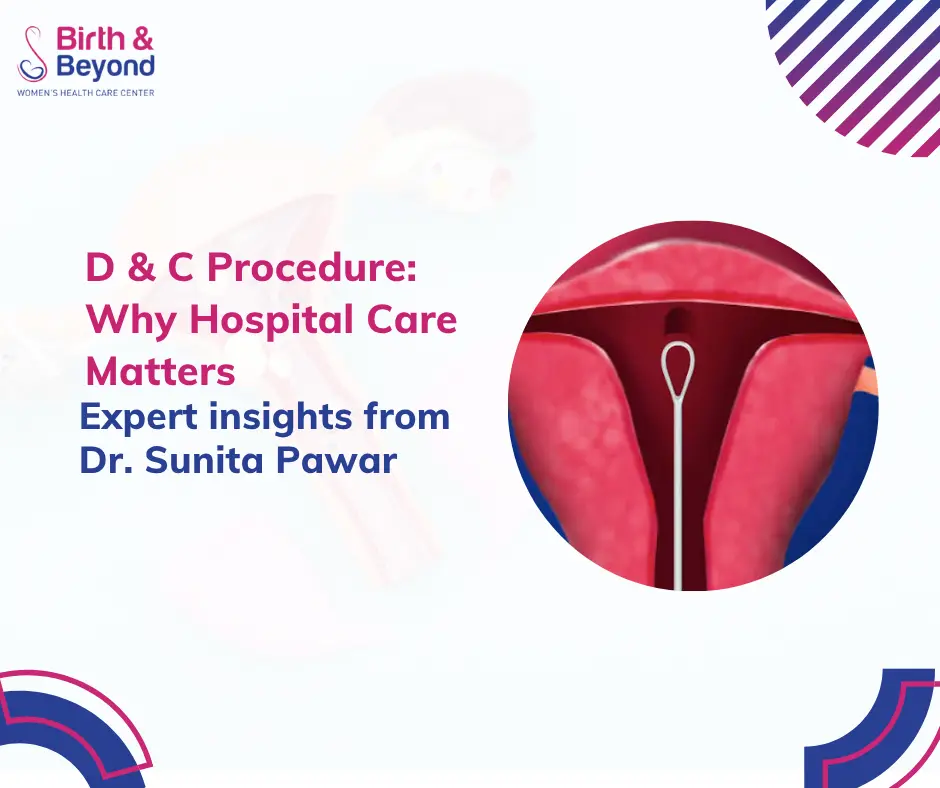
n this video, Dr. Sunita Pawar, Senior Consultant Obstetrician and Gynecologist, explains the D&C procedure, why it may be recommended, and why having appropriate medical and hospital support matters.
Dilation and Curettage is a procedure in which the cervix is gently opened, or dilated, to allow a doctor to remove tissue from inside the uterus.
The removed tissue may be sent for laboratory examination when required. The procedure may be recommended for different medical reasons depending on the patient’s symptoms and clinical condition.
A D&C may be considered in situations such as:
- Abnormal or prolonged uterine bleeding
- Removal of tissue remaining after a miscarriage
- Certain pregnancy-related conditions
- Evaluation of abnormal changes in the uterine lining
- Removal of some abnormal tissue from the uterus
The reason for the procedure varies from patient to patient. A gynecologist will assess the symptoms and medical history before recommending it.
Although D&C is usually a short procedure, proper medical supervision is important.
Hospital-based care can provide access to:
- Pre-procedure evaluation and necessary investigations
- Appropriate anesthesia or sedation when required
- Sterile medical facilities
- Monitoring during and after the procedure
- Immediate medical support if complications occur
- Guidance regarding recovery and follow-up
Choosing the right healthcare setting can help ensure that the procedure is performed under appropriate medical supervision.
Mild cramping and light vaginal bleeding or spotting may occur after the procedure. Recovery varies depending on the reason for the D&C and the individual’s overall health.
Patients are usually advised to follow their doctor’s instructions regarding medication, physical activity, and follow-up appointments.
Heavy bleeding, severe abdominal pain, fever, foul-smelling vaginal discharge, or other unusual symptoms should be reported to a healthcare professional promptly.
D&C is generally considered a safe procedure when performed for the appropriate medical indication by a qualified healthcare professional. As with any medical procedure, complications are possible, although they are not common.
These may include infection, heavy bleeding, injury to the cervix or uterus, or complications related to anesthesia. Discussing the potential benefits and risks with your gynecologist before the procedure is important.
Conclusion
A D&C is a commonly used gynecological procedure that can help diagnose or treat certain uterine conditions. While the procedure itself may be relatively short, proper medical assessment, hospital facilities, monitoring, and follow-up are important parts of safe care.
If you are looking for a D&C Procedure in HSR Layout, consulting an experienced Gynecologist in HSR Layout can help you understand whether the procedure is appropriate for your condition and what to expect before, during, and after treatment.
FAQ’s
D&C is generally a short gynecological procedure and is not usually considered major surgery. The exact approach depends on the patient’s condition and the reason for the procedure.
Recovery varies between individuals. Many patients can return to routine activities relatively soon, depending on their doctor’s advice and the reason for the procedure.
Light bleeding or spotting can occur after a D&C. However, heavy or persistent bleeding should be discussed with a doctor.
Hospital care allows appropriate monitoring, sterile conditions, anesthesia support when required, and immediate medical assistance if an unexpected complication occurs.
Contact your doctor if you experience heavy bleeding, severe pain, fever, foul-smelling discharge, or any other concerning symptoms after the procedure.