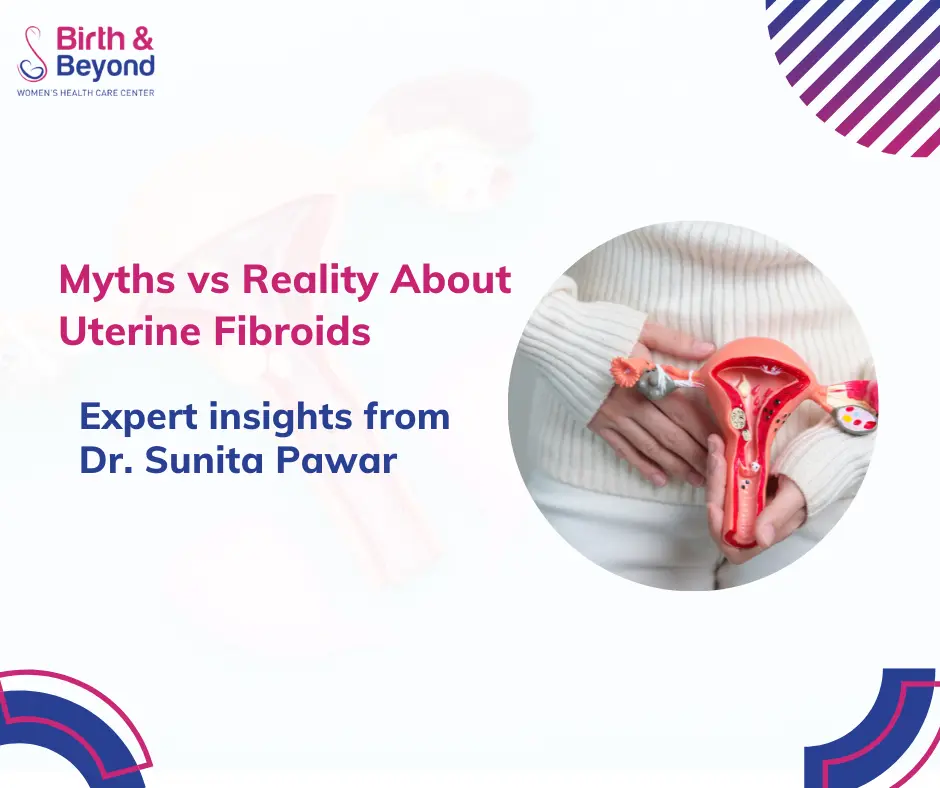
Uterine fibroids are one of the most common gynecological conditions affecting women during their reproductive years. Yet, they are often surrounded by myths and misinformation that can create unnecessary fear and delay treatment. Consulting an experienced Female Gynae in HSR Layout can help you understand the facts, receive an accurate diagnosis, and choose the most suitable treatment. A trusted Gynecologist in HSR Layout can also guide you on whether your fibroids require treatment or simply regular monitoring.
Let’s separate myths from reality and understand what every woman should know about uterine fibroids.
Myth 1: Fibroids Always Cause Symptoms
Reality:
Not all fibroids produce symptoms. Many women have fibroids without even knowing it, and they are often discovered during routine pelvic examinations or ultrasound scans.
However, when symptoms do occur, they may include:
- Heavy menstrual bleeding
- Pelvic pain or pressure
- Frequent urination
- Constipation
- Pain during intercourse
- Difficulty conceiving in some cases
Regular check-ups with a Women’s Health Specialist in HSR Layout help detect fibroids early before complications arise.
Myth 2: Fibroids Are Cancerous
Reality:
This is one of the biggest misconceptions.
Uterine fibroids are benign (non-cancerous) growths of the uterine muscle. They do not increase your risk of uterine cancer in the vast majority of cases.
Although a rare cancer called uterine sarcoma exists, it is entirely different from common fibroids.
Myth 3: Every Fibroid Needs Surgery
Reality:
Many fibroids never require surgery.
Treatment depends on:
- Size of the fibroid
- Location
- Symptoms
- Age
- Pregnancy plans
- Overall health
Small fibroids without symptoms may only require regular monitoring. Medications, hormonal therapy, and minimally invasive procedures can often manage symptoms effectively.
Myth 4: Fibroids Always Cause Infertility
Reality:
Most women with fibroids can become pregnant naturally.
Only certain fibroids—especially those growing inside the uterine cavity—may interfere with implantation or pregnancy.
An experienced Obstetrician and Gynecologist in HSR Layout can determine whether your fibroids are affecting fertility and recommend appropriate treatment.
Myth 5: Fibroids Only Affect Older Women
Reality:
Fibroids commonly develop between the ages of 30 and 50, but they can also occur in younger women.
Several factors increase the risk, including:
- Family history
- Hormonal changes
- Obesity
- Early onset of menstruation
- High estrogen levels
Routine gynecological examinations help identify fibroids regardless of age.
Myth 6: Fibroids Shrink Naturally Without Treatment
Reality:
Some fibroids may shrink after menopause due to declining estrogen levels.
However, fibroids during reproductive years often remain stable or gradually increase in size. Waiting for them to disappear without medical advice is not recommended if symptoms are affecting daily life.
Myth 7: Heavy Periods Are Always Normal
Reality:
Many women assume heavy bleeding is simply part of their menstrual cycle.
In reality, prolonged or excessive menstrual bleeding may indicate fibroids or another gynecological condition.
Seek medical evaluation if you experience:
- Bleeding lasting more than seven days
- Passing large blood clots
- Severe menstrual pain
- Fatigue due to anemia
Early diagnosis allows for more treatment options.
How Are Fibroids Diagnosed?
A Gynecologist in HSR Layout may recommend:
- Pelvic examination
- Ultrasound scan
- MRI (in selected cases)
- Hysteroscopy
- Blood tests to evaluate anemia
These tests help determine the size, number, and location of fibroids before planning treatment.
Treatment Options
Depending on your condition, treatment may include:
- Observation and regular follow-up
- Medications to control symptoms
- Hormonal therapy
- Minimally invasive procedures
- Myomectomy (fibroid removal while preserving the uterus)
- Hysterectomy (for selected cases when other treatments are not suitable)
Treatment is always individualized based on the patient’s symptoms and future pregnancy plans.
Frequently Asked Questions
1. What causes uterine fibroids?
The exact cause is unknown, but hormones such as estrogen and progesterone, genetic factors, and family history are believed to contribute to fibroid development.
2. Can fibroids disappear on their own?
Small fibroids may shrink after menopause, but most do not disappear during the reproductive years without medical evaluation or treatment.
3. Can I get pregnant if I have fibroids?
Yes. Most women with fibroids have successful pregnancies. However, some fibroids may affect fertility depending on their size and location.
4. How do I know if my fibroids need treatment?
Treatment is recommended if fibroids cause heavy bleeding, severe pain, pressure symptoms, infertility, or rapid growth. Your gynecologist can assess your condition and recommend the best approach.
5. Can fibroids come back after treatment?
Yes. Fibroids can recur after myomectomy, especially in younger women. Regular follow-up helps monitor for recurrence and manage symptoms early.
Conclusion
Understanding the difference between myths and facts about uterine fibroids empowers women to make informed healthcare decisions. Most fibroids are non-cancerous, manageable, and do not always require surgery. Early diagnosis and personalized care can help prevent complications and improve quality of life. If you’re looking for an experienced Female Gynae in HSR Layout, consult a trusted Gynecologist in HSR Layout for expert evaluation, accurate diagnosis, and the most appropriate treatment plan tailored to your needs.
Contact Details
Dr. Sunita Pawar
📍 HSR Layout, Bengaluru
📞 Phone: +91 91089 37262
🌐 Website: www.drsunitapawar.com