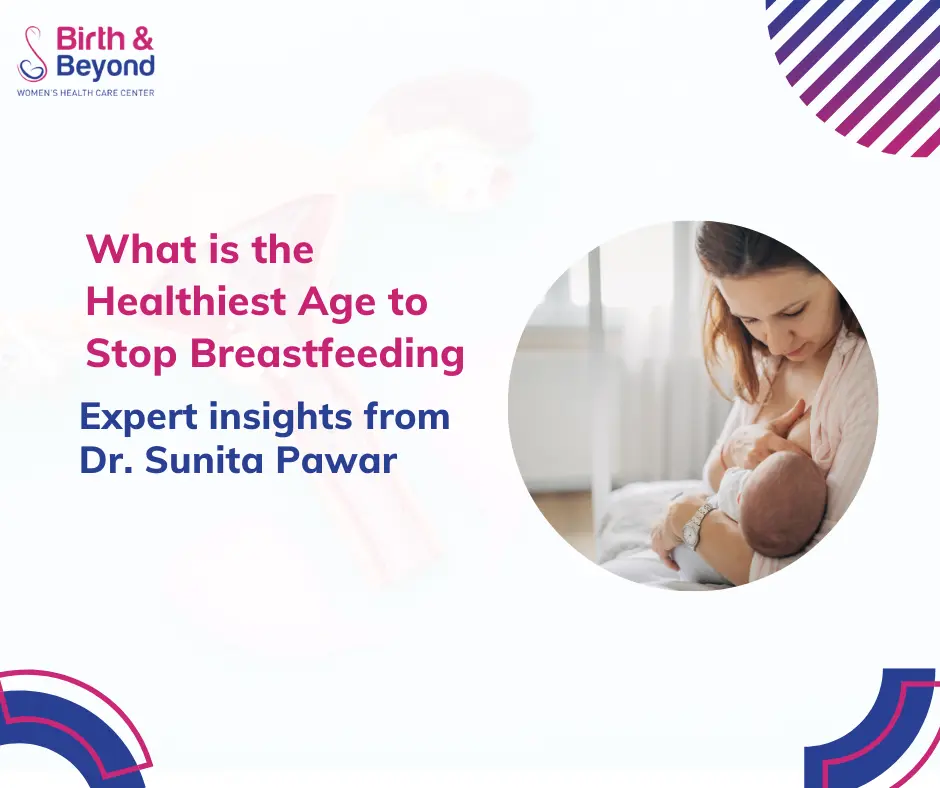
Breastfeeding is one of the best gifts a mother can give her baby, providing essential nutrition, immunity, and emotional bonding. However, one question many parents ask is, “When is the right time to stop breastfeeding?” The answer isn’t the same for every family. The healthiest age to stop breastfeeding depends on the baby’s nutritional needs, the mother’s health, and what works best for both. If you’re looking for guidance from an Expert Gynecologist in HSR Layout, understanding the recommendations and signs of weaning can help you make an informed decision.
What Do Experts Recommend?
According to global health recommendations:
- Exclusive breastfeeding is advised for the first six months of life.
- After six months, complementary foods should be introduced while continuing breastfeeding.
- Breastfeeding can continue until two years of age or beyond, as long as both the mother and child are comfortable.
There is no fixed “perfect” age to stop breastfeeding. It is a personal decision that should be made based on the needs of both mother and baby.
Benefits of Breastfeeding Beyond One Year
Many people believe breastfeeding should stop after the baby’s first birthday, but continued breastfeeding offers several benefits.
These include:
- Ongoing immune protection
- Nutritional support
- Emotional comfort and bonding
- Reduced risk of infections
- Comfort during illness or stressful situations
For mothers, longer breastfeeding may also lower the risk of breast and ovarian cancers.
Signs Your Child May Be Ready to Wean
Every child is different, but some common signs include:
- Eating a variety of solid foods well
- Drinking from a cup comfortably
- Breastfeeding less frequently
- Showing less interest in nursing
- Falling asleep without breastfeeding
These signs often appear gradually rather than suddenly.
Signs the Mother May Be Ready
Sometimes, the decision to stop breastfeeding comes from the mother’s needs.
Reasons may include:
- Returning to work
- Physical discomfort
- Another pregnancy
- Medical conditions
- Personal choice
- Emotional readiness
It’s important to remember that choosing to stop breastfeeding does not make someone a less caring mother.
How to Stop Breastfeeding Gradually
Suddenly stopping breastfeeding can be uncomfortable for both mother and baby.
A gradual approach is usually recommended:
- Replace one feeding at a time.
- Offer nutritious meals and healthy snacks.
- Comfort your child through cuddling and play.
- Maintain bedtime routines.
- Avoid forcing or rushing the process.
Gradual weaning also helps reduce the risk of breast engorgement and discomfort.
What Happens If Breastfeeding Stops Too Early?
Stopping breastfeeding before six months without a suitable alternative may lead to:
- Reduced nutritional intake
- Increased risk of infections
- Loss of important antibodies
- Difficulty meeting the baby’s nutritional needs
If breastfeeding cannot continue, consult your doctor regarding appropriate infant feeding options.
Common Myths About Breastfeeding
Myth 1: Breast milk has no value after one year.
Fact: Breast milk continues to provide nutrients, antibodies, and comfort even after the first year.
Myth 2: Extended breastfeeding spoils the child.
Fact: There is no scientific evidence that breastfeeding beyond one year causes emotional dependence or behavioral problems.
Myth 3: Mothers must stop breastfeeding once they return to work.
Fact: Many working mothers continue breastfeeding by expressing milk or nursing before and after work.
Nutrition During Weaning
As breastfeeding decreases, ensure your child receives:
- Fruits and vegetables
- Whole grains
- Protein-rich foods
- Dairy or appropriate alternatives
- Plenty of fluids
A balanced diet supports healthy growth and development.
Frequently Asked Questions (FAQs)
1. What is the healthiest age to stop breastfeeding?
There is no single healthiest age. Many health organizations recommend breastfeeding until two years or beyond if both mother and child wish to continue.
2. Is breastfeeding after two years harmful?
No. Extended breastfeeding is safe and can continue as long as it is comfortable for both mother and child.
3. Can I become pregnant while breastfeeding?
Yes. Although breastfeeding may delay ovulation in some women, it is not a guaranteed method of contraception.
4. Will stopping breastfeeding suddenly affect my baby?
Sudden weaning may be emotionally difficult for the baby and can also cause breast discomfort for the mother. Gradual weaning is generally recommended.
5. Can breastfeeding continue after returning to work?
Yes. Many mothers successfully continue breastfeeding by expressing breast milk or adjusting feeding schedules.
6. Should I consult a doctor before stopping breastfeeding?
If you have concerns about your baby’s nutrition, your health, or the weaning process, speaking with a healthcare professional can help ensure a smooth transition.
Conclusion
There is no universal age to stop breastfeeding—the healthiest time is when both the mother and child are ready, while ensuring the baby’s nutritional and emotional needs continue to be met. Gradual weaning, a balanced diet, and regular medical guidance can make the transition easier for both. If you have questions about breastfeeding, weaning, or your baby’s growth, consulting an Expert Gynecologist in HSR Layout can provide personalized advice and support for every stage of motherhood.
Contact Details
Dr. Sunita Pawar
📍 HSR Layout, Bengaluru
📞 Phone: +91 91089 37262
🌐 Website: www.drsunitapawar.com